Become a partner
What to consider when choosing parquet
Once you have decided on parquet, the next questions concern the manufacturer, wood species, board size and quality. How do you choose a floor that suits your room?
This guide explains the main considerations.
1. Choose a reliable manufacturer
The manufacturer's production standards and product documentation are important indicators of quality.
2. Wood species
Wood species influences colour, grain and hardness. Dimensional stability also depends on the product's construction and the conditions in the room.
3. Wood hardness
Busier areas and heavier loads call for suitable surface performance. Species such as oak and ash are commonly chosen for their hardness, while softer woods may be better suited to less demanding rooms. No wood is immune to dents: furniture loads, sharp objects and heels can mark the finish or the timber itself.
4. Bevels
Boards may have square edges or bevelled edges. A bevel creates a small V-shaped groove at the joint and emphasises individual boards.
5. Visual grading
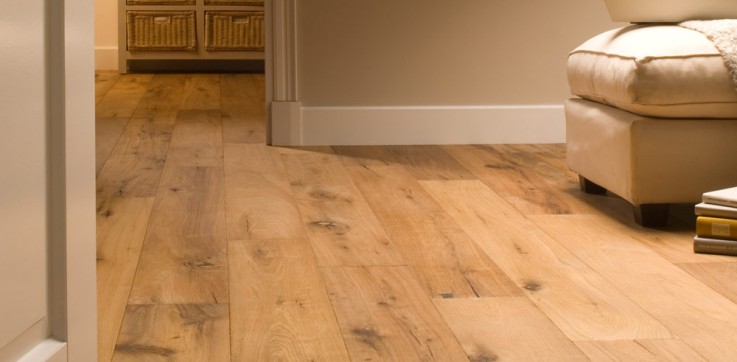
Grading describes the wood's appearance, including colour variation, grain, knots and sapwood. Names and limits vary between manufacturers. Radial grades generally have a more uniform, straight grain; Select tends to offer a more consistent appearance; Nature allows more natural variation; and Rustic emphasises stronger variation and knots. Compare actual samples and the manufacturer's grading description.
6. Surface finish
Finishes include lacquer, natural oil and UV-cured oil. The finish affects appearance, wear performance and the care routine.
We hope these points help you choose parquet that suits your needs. Compare samples and specifications before making your final decision.